
What to expect
June is a month of change. It often starts with heat and humidity, then the monsoon moves in. The UK government says that monsoon travel, normally from June to October, can be hazardous, with flooding and landslides that may make roads impassable and cut off towns for days.
- Rain: often heavier at lower altitudes, and it often comes later in the day.
- Views: mountains may be hidden by cloud, although mornings can be clear.
- Leeches: one guide says they appear in forests below about 3,000 m.
- Trails: mud and slippery stone steps can slow you down.
- Quiet: trails and lodges are far less busy, and you may get a warmer welcome.
Best routes in June
| Trek | Why consider it | Keep in mind |
|---|---|---|
| Upper Mustang | Mostly dry, in a rain shadow, with desert scenery | Expensive permit and a licensed guide |
| Nar Phu Valley | Remote and drier than the lower Annapurna valleys | Restricted area and road access can be affected |
| Upper Dolpo | Remote and culturally rich | Serious, long and best for experienced trekkers |
| Lower Dolpo | A shorter way to see Dolpo | Flights can be disrupted, so allow spare days |
| Langtang Valley | Possible in early June, close to Kathmandu | Wetter, with landslide risk on the road |
Why the rain shadow works
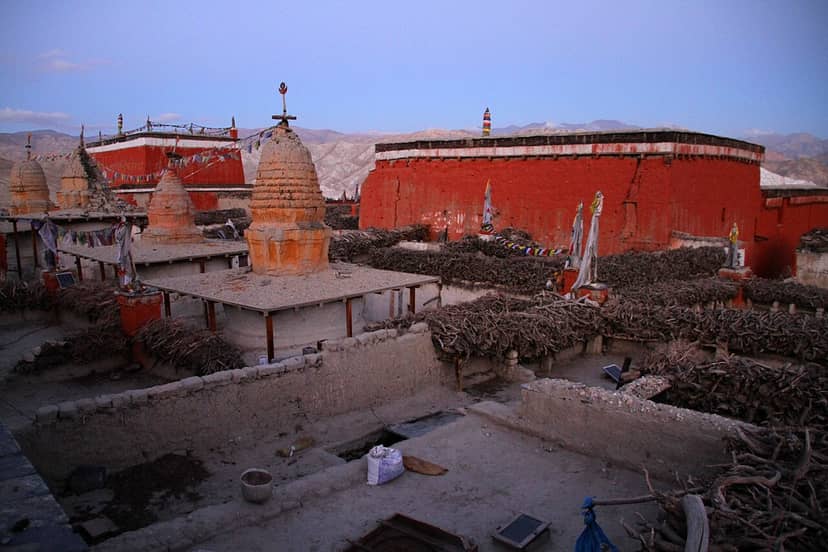
High Himalayan ranges block much of the monsoon's moisture, which leaves valleys north of the range much drier. That's why sources say Upper Mustang and Dolpo stay mostly dry, with occasional light showers. It doesn't mean that travel will be easy, though. You still need to get there, and flights or roads can be disrupted by bad weather further south.
Is Everest Base Camp possible?
It's possible, particularly in early June, but it's not an ideal time. Flights to Lukla are less reliable, and views are often hidden. If this is your only chance, allow several extra days. Read our guide to Lukla airport, and see our season guide.
Flights and roads
This is where June can catch you out. Flights to Lukla, Jomsom and Dolpo depend on the weather, and landslides can block mountain roads. The UK government advises checking that the road is open and being ready to change or cancel your plans at short notice.
- Allow at least two spare days before your flight home.
- Avoid night travel on mountain roads.
- Ask what your operator will do, and who pays, if a road closes.
- Check that your travel insurance covers delays and changes.
Leeches and how to handle them
They're unpleasant but usually harmless. Wear long socks and closed shoes, check your legs often, and stay on the path. If one attaches, let your guide help you remove it, then clean the bite. Keep any bite clean to avoid infection.
What to pack
- A good rain jacket and pack cover
- Dry bags for clothes and electronics
- Quick-drying layers, plus one set kept dry for the evening
- Trekking poles for slippery paths
- Insect repellent
- Sun protection, particularly for rain shadow routes
- Warm layers for higher altitudes, which can still be cold
The good side of June
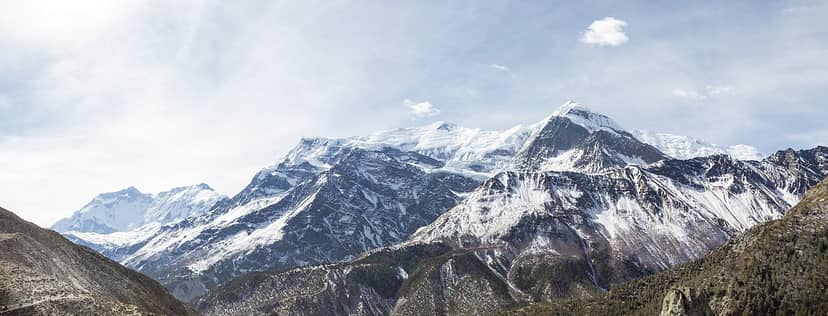
You'll find quiet trails, green hills and blooming wildflowers in some high valleys. Lodge owners often have more time to talk, and it can feel more relaxed. If you're flexible and willing to accept some rain, it's a very different and rewarding way to see Nepal.
Early or late June?
The monsoon's arrival varies from year to year, so these are only general patterns. Early June can feel like the end of spring, although it's usually hot and humid lower down. Later in the month, rain, cloud and travel problems are more likely. If you have to choose, an earlier date gives you a better chance on normal routes, while rain shadow routes remain the better choice for later dates.
| If you're going… | Consider |
|---|---|
| In the first days of June | Langtang or a low route, with spare days |
| Later in June | Upper Mustang or Nar Phu |
| With experience and plenty of time | Dolpo |
Who should avoid it
If you only have a short holiday, need to see big mountain views, or have a tight flight home, June probably isn't for you. Try spring or autumn instead. See our season guide.
Common questions
Does it rain all day?
Not usually. Many days have some dry hours, and rain often comes later, but this varies and heavy rain can last for longer.
Is it cheaper?
It can be, with lower demand and more flexibility, but permits on restricted routes are set separately. Ask for a clear quote.
Can beginners trek in June?
Yes, but a low, muddy route isn't an easy first trek. A short early-June trip or a drier region may suit you better.
Is altitude any easier?
No. Height affects you the same way, so read our altitude sickness guide.
Next steps
See our guide to the Upper Mustang permit, or ask us what's possible on your dates.


Comments