
What governments say
Check your own government's latest advice before you go, because it changes.
- UK government: it says that women have been sexually assaulted in tourist areas such as Thamel and Sanepa, and it advises people to be cautious, especially when alone after dark. It also says, "Do not trek alone."
- Canadian government: it advises a high degree of caution in Nepal, and it warns that women travelling alone are more at risk of violent attacks.
Many travel blogs make Nepal sound completely safe for women. Most are written by companies selling trips, so don't rely on them alone. We'd rather you plan with the real picture in mind. Read our general safety guide too.
Choosing a guide
One operator calls this the most important decision for a solo female trekker, and we agree. Current rules also generally require a guide in many trekking areas. See our guide to the rules.
- Book through a registered agency, not someone who approaches you on the street.
- Ask for your guide's name, licence and photograph before you leave, and share them with someone at home.
- Ask for recent reviews from women who've travelled alone with that company.
- Ask whether a female guide is available. Some companies specialize in this, including 3 Sisters Adventure Trekking, which one blog describes as a female-only trekking company. We haven't independently checked this.
- Set clear expectations from the start, including sleeping arrangements and personal boundaries.
- Tell the agency straight away if you feel uncomfortable, and ask for a replacement.
Choosing a route
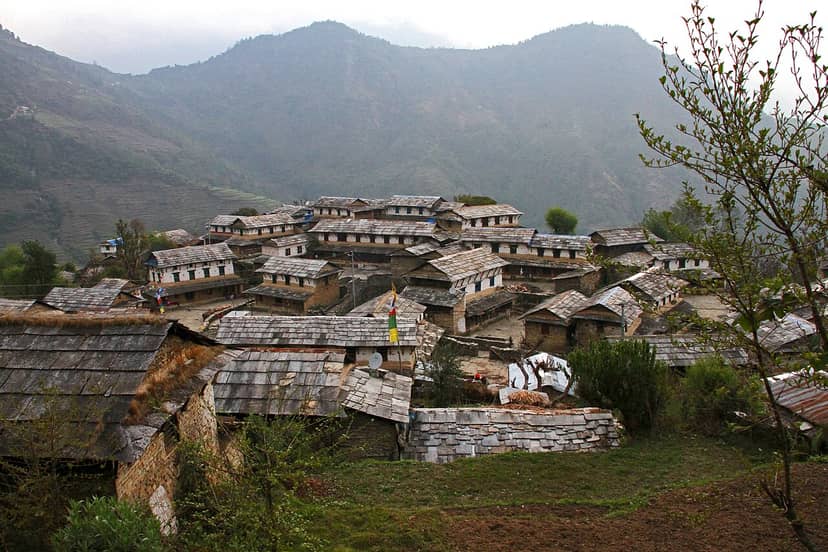
Popular routes mean more people around, more lodges and better phone or Wi-Fi access in some places. Good options for a first solo trek include Ghorepani Poon Hill, Annapurna Base Camp and Everest Base Camp. Save remote regions for when you have more experience, or join a small group.
Staying in teahouses
- Choose busy lodges where you can see other guests.
- Have a private room if you can, and check that the door locks from the inside.
- Bring a small door wedge or travel lock if it makes you feel better.
- Keep your headtorch and phone within reach at night.
- Get to know other trekkers at dinner. They're a useful support if you need help.
In Kathmandu and Pokhara
- Plan your route back to your hotel before going out, especially after dark.
- Use a taxi or ride arranged by your hotel late at night.
- The UK government warns about drink spiking, so never leave your drink unattended.
- Choose a hotel with good reviews from women travelling alone.
- Don't share your hotel or plans with strangers.
- Avoid large protests and demonstrations, which can start at short notice.
Dress and local customs
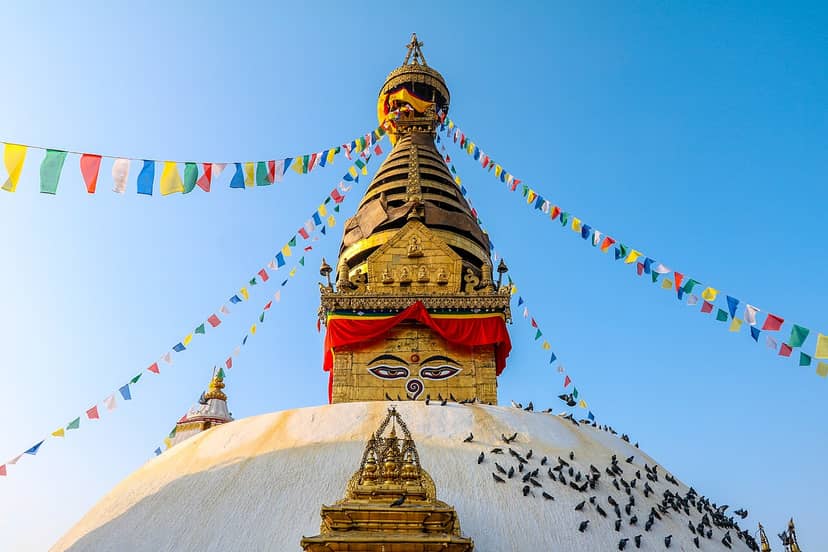
Nepal is more conservative than many Western countries, particularly outside tourist areas. Loose clothes that cover your shoulders and knees are comfortable, practical and respectful. Remove your shoes where asked in temples and homes. Dressing modestly doesn't make anyone responsible for harassment, but it can make everyday interactions easier.
Health and periods on the trail
Carry everything you need, because products can be hard to find at altitude. Pack toilet paper and hand sanitizer, and carry out your rubbish. Ask a doctor about altitude medicines, and about anything that may affect your cycle or contraception. Read our altitude sickness guide.
Trust your instincts on the trail
You don't have to be polite at the cost of feeling safe. If someone's behaviour worries you, move to a busier place, join other trekkers, and speak to the lodge owner or your agency. Keep your own copy of your permits and insurance details, and carry some cash, so that you aren't relying on one person. A good guide will respect your limits, including when you need a rest, want to turn back, or prefer to keep your distance.
Before you leave home
- Share your itinerary and guide's details with a trusted person.
- Agree check-in times, and remember that signal can be patchy.
- Save your embassy and insurer's emergency numbers.
- Buy a local SIM, and ask where coverage ends.
- Check that your insurance covers trekking and evacuation. See our insurance guide.
If something goes wrong
Get to a safe place, and ask someone you trust for help. Contact your embassy or consulate, your insurer and the local police. In an emergency, you may also want medical care, so ask your embassy to help you find it. If your guide is the problem, leave the situation as soon as it's safe, and contact the agency and your insurer.
Common questions
Should I hire a female guide?
It's worth considering if it makes you more comfortable. The most important things are a good reputation and clear accountability.
Is it OK to join a group instead?
Yes, and it's a great option. You'll have company and support, and it often costs less too.
Is it safe to trek alone without a guide?
We don't recommend it. The UK government says not to, and the rules generally require a guide in many areas.
Next steps
Read our beginner's guide, or ask us about guides and small groups. We're happy to answer your questions before you book.


Comments