
Reported fees
| Permit | Reported fee | Notes |
|---|---|---|
| Restricted area permit (most sources) | US$500 for 10 days, then US$50 per day | Listed by several 2026 guides |
| Restricted area permit (some sources) | US$50 per person per day inside the area | Described as a recent change, not confirmed officially here |
| Annapurna Conservation Area Permit | NPR 3,000 for foreign visitors | NPR 1,000 for SAARC nationals |
| TIMS | One guide lists NPR 2,000 | Reports differ on whether you need it |
| Restricted permit for SAARC nationals | One guide lists US$75 for 10 days | Confirm this with your agency |
All of these come from operators and travel guides. We didn't find a current government fee schedule to settle the conflict, so treat these as planning figures.
What this means for your budget
Our 16-day plan includes about 11 days of walking, so count the days you'll actually be above Kagbeni. Under the older rule, more than 10 days adds a daily charge. Under the reported newer rule, you'd pay for each day inside.
| Days inside | Older rule | Reported per-day rule |
|---|---|---|
| 5 | US$500 | US$250 |
| 10 | US$500 | US$500 |
| 12 | US$600 | US$600 |
For a normal trek, the fee may be the same under both rules. The difference matters most for short trips, such as those made by jeep or motorbike. Ask your agency exactly how your own dates are counted.
Where the permit applies
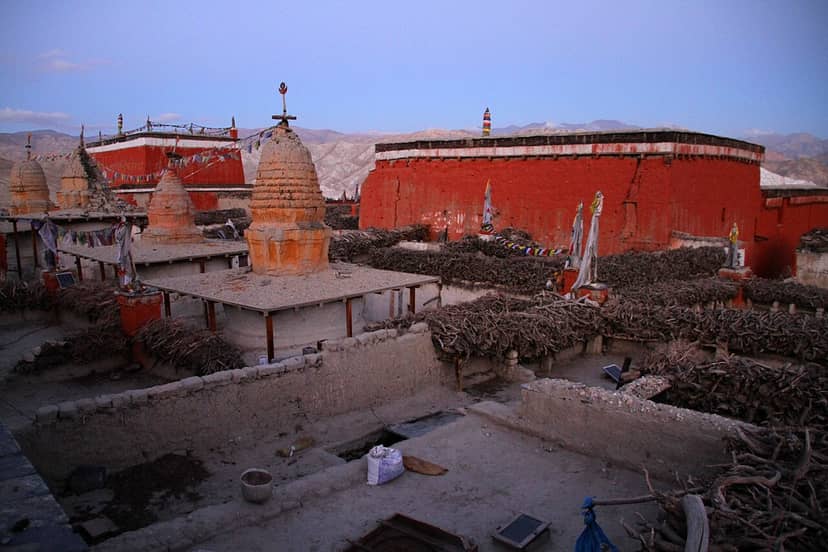
One 2026 guide says that Kagbeni is the entry point to the restricted zone and that permits are checked there. Lower Mustang, including Jomsom, Kagbeni and Muktinath, only needs ACAP. If you're not going north of Kagbeni, you don't need this permit.
The guide and group rules
- Licensed guide: sources agree that a licensed guide is required for the restricted area.
- Agency application: a registered Nepali agency applies for you. One guide says individuals can't apply directly.
- Two-person rule: reports conflict. One 2026 guide still says you need at least two people, while another operator says this has been scrapped. Check this if you're travelling alone.
- Permit changes: one guide says permits are non-refundable and that extensions must be arranged before the 10 days are up.
The official office is the Department of Immigration in Kathmandu, and one guide estimates processing at 2 to 3 business days. Read our permit guide and guide rules.
Other costs to expect
- Transport: flights between Pokhara and Jomsom are weather dependent, and some people use road transport.
- Guide and porter: required or strongly recommended, and they add to your total.
- Lodging and food: prices rise in remote areas, and supplies have a long way to come.
- Insurance: make sure it covers trekking at about 4,000 m and evacuation. See our insurance guide.
- Cash: bring enough from Pokhara. The UK government warns that cards and cash machines may not be available in remote areas.

Counting your days
On our plan, you pass Kagbeni on day 3 and return to Jomsom on day 13. That means your agency needs to count carefully, because a fee may depend on which days are treated as inside the restricted area. Ask for the entry and exit dates to be written on your quote, and allow for delays. Flights between Jomsom and Pokhara depend on the weather, but a delay at Jomsom, in Lower Mustang, may not count the same way as one further north. Ask your agency how it would treat this.
It's also worth asking how a change in plans would be handled. One guide says that extensions must be arranged before your permit runs out, so you don't want to discover a problem on the last day.
Is it worth the fee?
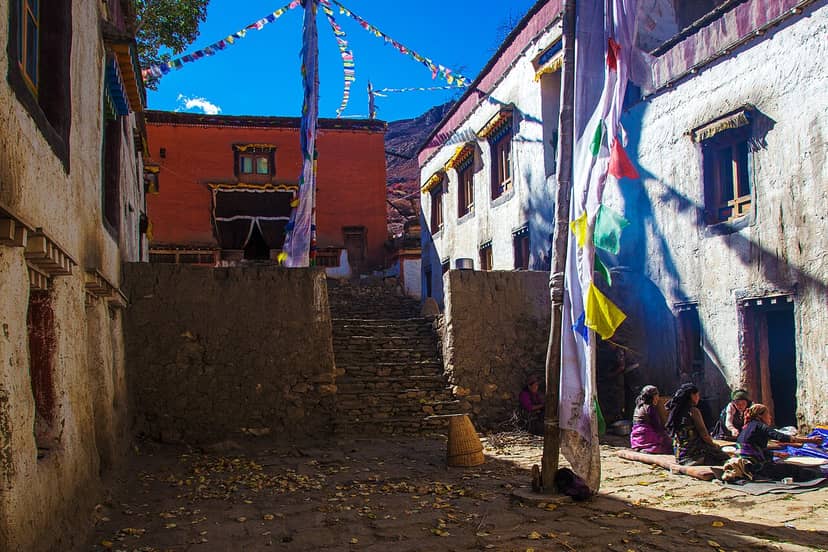
It's a big fee compared with other treks, but it's a very special place. You'll walk through high desert, past old monasteries and cave sites, and reach the walled city of Lo Manthang. It also lies in a rain shadow, which makes it one of the better options in the monsoon. Read our guide to trekking in June.
What to ask your agency
- Which fee rule applies on my dates, and can you show me the receipt?
- Does your quote include the restricted permit, ACAP and TIMS if needed?
- How many days do you count inside the restricted area?
- Can I go if I'm the only trekker?
- What happens to the fee if weather or road closures delay us?
Common questions
Is Upper Mustang still expensive?
The permit is one of Nepal's most expensive, but costs depend on the rule that applies to you.
Can I pay in rupees?
One guide says that fees are set in US dollars but are usually paid in rupees at the current rate. Your agency handles this.
Do children need permits?
One guide says children need their own permits at the same price as adults. Confirm this first.
Next steps
See our Upper Mustang Trek, or ask us to confirm the current permit fee for your dates.


Comments