
A typical plan
This is how our 15-day itinerary is laid out. Reported altitudes vary slightly by source, and walking hours are estimates that change with your pace and the conditions.
| Day | Route | Sleep at | Walking |
|---|---|---|---|
| 1 | Arrive in Kathmandu | 1,400 m | None |
| 2 | Kathmandu preparation day | 1,400 m | None |
| 3 | Fly to Lukla, trek to Phakding | 2,610 m | 3 to 4 hours |
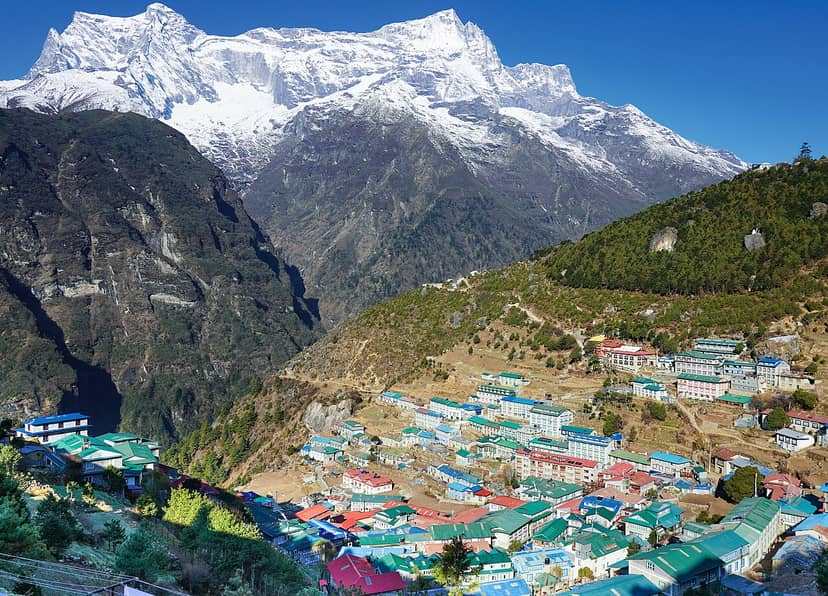
| 4 | Trek to Namche Bazaar | 3,440 m | About 6 hours |
| 5 | Acclimatization day in Namche | 3,440 m | About 3 hours |
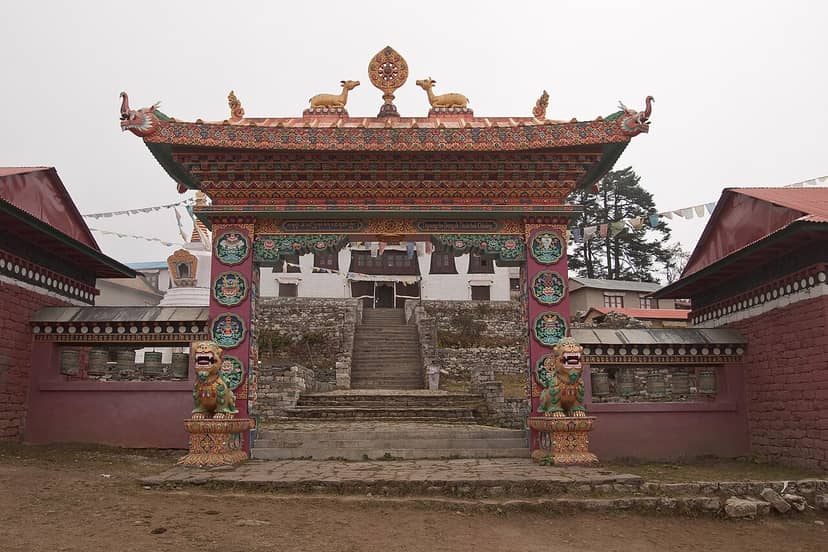
| 6 | Trek to Tengboche | 3,860 m | About 5 hours |
| 7 | Trek to Dingboche | 4,410 m | About 5 hours |
| 8 | Acclimatization day in Dingboche | 4,410 m | About 3 hours |
| 9 | Trek to Lobuche | 4,910 m | About 5 hours |
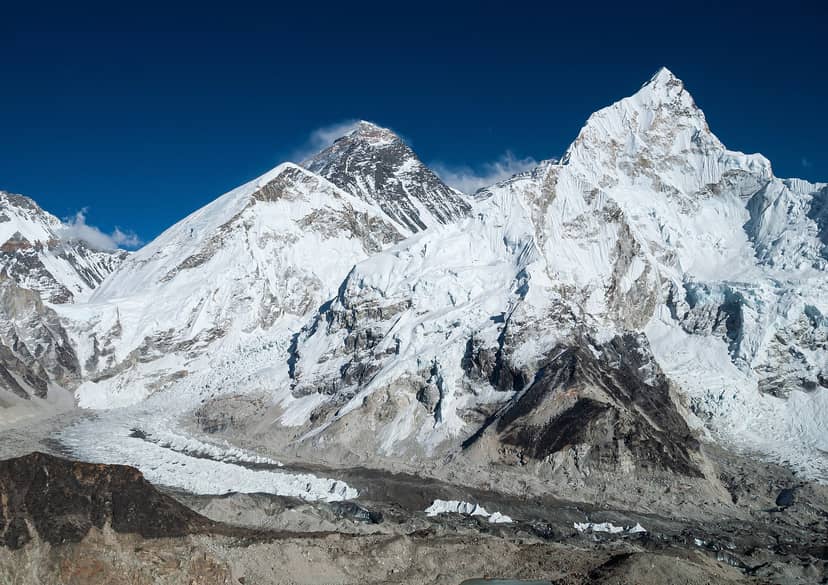
| 10 | Gorak Shep and Everest Base Camp | 5,164 m | About 8 hours |
| 11 | Kala Patthar, descend to Pheriche | 4,240 m | About 7 hours |
| 12 | Trek to Namche Bazaar | 3,440 m | About 7 hours |
| 13 | Trek to Lukla | 2,860 m | About 7 hours |
| 14 | Fly back to Kathmandu | 1,400 m | None |
| 15 | Departure | None | None |
How far is it?
The trek is commonly described as about 130 km there and back from Lukla, although exact distances depend on your route and whether you add side trips. It doesn't sound far for two weeks, but you climb and descend a lot, and altitude keeps your pace slow.
Why so many days for that distance?
Because your body needs time. US Centers for Disease Control and Prevention (CDC) guidance says that above about 3,000 m, you should raise your sleeping altitude by no more than about 500 m a day, and add a rest day for every further 1,000 m. Villages don't always line up neatly with this, which is why rest days matter so much on this route.
Rest days aren't wasted. You usually walk a little higher and return to sleep, which helps you adjust. They're also a chance to explore places like Namche and Khumjung.
Can you do it faster?
Some itineraries run to 10 days or fewer, and some people fly out by helicopter to save the walk back. Saving days on the descent is much safer than saving days on the way up. Compressing the ascent increases the risk of altitude illness, so we'd avoid any plan that skips acclimatization to save time.
Why you need spare days
The UK government warns that internal flights in mountain areas are often delayed or cancelled because of weather. Build in at least one or two spare days before your international flight. Use any you don't need to explore Kathmandu. Our Kathmandu guide has ideas.
How long are the walking days?
- Normal trekking days: around 5 to 7 hours, including short breaks.
- Base Camp day: often the longest, at about 8 hours.
- Rest days: usually a shorter hike of about 2 to 4 hours.
- Descending days: covering more distance, but with thicker air.
Expect to start early, usually with breakfast by about 7 or 8 am, and aim to arrive by mid-afternoon, before the weather often changes.
Longer options worth considering
| Route | Our itinerary | Why choose it |
|---|---|---|
| Gokyo and Base Camp via Cho La | 17 days | Adds Gokyo's lakes and a high pass |
| Everest Three Passes | 21 days | The complete Khumbu circuit, for experienced trekkers |
| Jiri to Base Camp | 21 days | The historic walk-in, with no flight going in |
Shorter alternatives
If you've only got about 10 days, don't rush the Base Camp trek. The Everest Panorama Trek stays lower and takes 10 days, or try the Gokyo Lakes Trek at 13 days. A helicopter tour can give you the view in a single morning.
How to plan your total time in Nepal
| Part of the trip | Days to allow |
|---|---|
| Arrival and preparation in Kathmandu | 1 to 2 |
| Trek from Lukla and back, including rest days | 11 to 12 |
| Spare days for Lukla flights | 1 to 2 |
| Rest or sightseeing before you fly home | 1 or more |
| Total | About 15 to 18 |
If your plan involves another destination, such as Pokhara or Chitwan, add time after the trek rather than before it. That way, a delayed Lukla flight won't spoil the rest of your trip.
What affects how long it takes you
- Your starting point: flights from Ramechhap involve a long road transfer, usually starting in the early hours.
- Your pace: slower groups often enjoy it more and adapt better. Don't race other trekkers.
- Your health: an extra night to recover is a good decision, so a flexible plan helps.
- The season: snow or rain can slow the trail and delay flights.
- Side trips: Khumjung, Ama Dablam Base Camp and Chhukhung each add time or effort.
A good way to use rest days
Rest days aren't for staying in bed. A gentle walk to a higher point and back helps your body adapt, and it's the "climb high, sleep low" idea you'll hear guides mention. The US Centers for Disease Control and Prevention suggests limiting yourself to mild activity in the first 48 hours at altitude, so keep it easy, and let your guide set the pace.
Common questions
Which days are the hardest?
Generally, the climb to Namche, and the days above Lobuche. See how hard the trek is.
Can I trek it in 7 days?
We don't recommend that on foot. Reaching this height so quickly is far outside the CDC's ascent guidance.
Do I need the Kathmandu day before flying?
It's strongly recommended. Your luggage may be delayed, and you'll need time for permits, gear checks and rest after your flight.
Next steps
See our full Everest Base Camp itinerary, read what it costs, or ask us about your dates.


Comments