
Best treks for beginners
| Trek | Our itinerary | Highest point | Why it suits beginners |
|---|---|---|---|
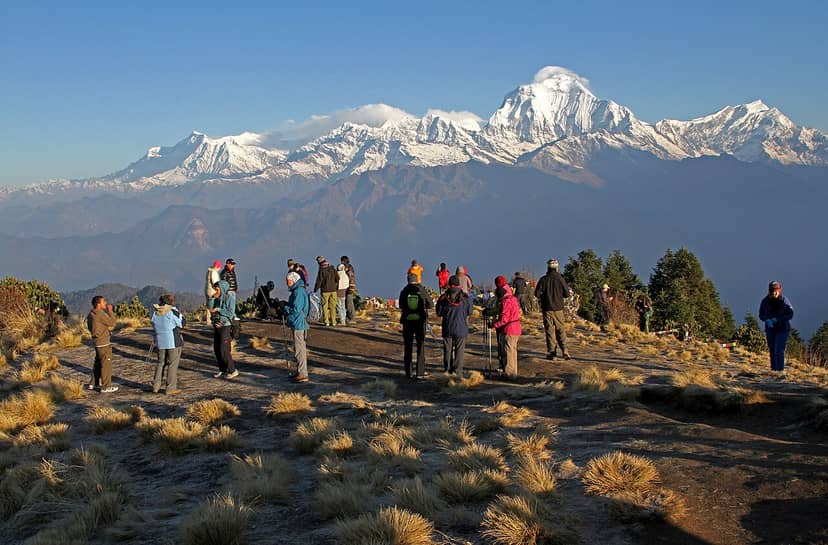
| Ghorepani Poon Hill | 9 days, with 4 trekking | 3,210 m | Classic sunrise, many facilities |
| Mohare Danda | 9 days, with 5 trekking | About 3,300 m | Quieter, with community lodges |
| Helambu | 8 days, with 6 trekking | 3,640 m | Starts near Kathmandu, no high passes |
| Mardi Himal | 8 days, with 4 trekking | About 4,500 m (optional viewpoint) | Short but steeper, for a more adventurous first trip |
| Nagarkot to Chisapani | 3 days | About 2,175 m | A short taster near Kathmandu |
Big names such as Everest Base Camp and the Annapurna Circuit can be done by fit beginners, but they involve far greater altitude and many more days. If this is your first trek, it's worth reading how hard Everest Base Camp really is first.
When to go
For a first trek, choose autumn (September to November) or spring (March to May). Autumn typically brings clear skies after the monsoon, while spring brings warmer days and rhododendron blossom.
Lower routes such as Poon Hill can work well on clear winter days too, but nights are colder. Monsoon brings rain, leeches and landslide risk, so we don't suggest it for a first trip. See our season-by-season guide.
How fit do you need to be?
You don't need to be an athlete. A good target is being able to walk for 4 to 6 hours a day, several days in a row, including long uphill sections and stone stairs. Practise with a loaded daypack and in the boots you'll wear, starting at least a couple of months beforehand.
What a day looks like
- Wake early and have breakfast at the lodge, while your bags are packed for the porter.
- Walk through the morning, with stops for tea and photographs.
- Stop for lunch around midday at a village on the route.
- Reach the next lodge by mid-afternoon, then rest, wash and enjoy the views.
- Have dinner around the stove in the dining room, go over tomorrow's plan, and go to bed early.
Teahouses: what to expect
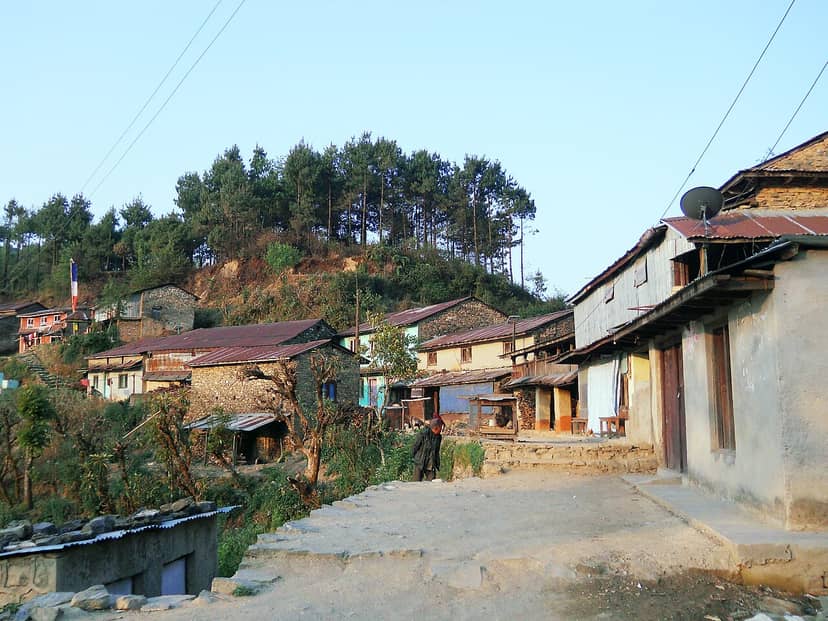
Teahouses are family-run lodges. Rooms are usually simple twin rooms with thin walls and basic beds, and the dining room is the warm centre of the building. Toilets may be shared. Hot showers, charging and Wi-Fi often cost extra, and may not always work.
A warm sleeping bag is useful even if blankets are available. Food is simple but filling, and the national dish of dal bhat (rice, lentils and vegetables) is the trekker's favourite for good reason.
Do you need a guide?
For a first trek, we strongly recommend one, and rules in many protected areas now require it. The UK government advises that foreign independent trekkers must use a local guide or porter in national parks and protected areas. Sources differ on how rules apply in some regions, so read our guide to the current rules. Beyond the rules, a good guide handles logistics, watches your health and helps you understand the places you pass through.
Permits
Most routes need a conservation area or national park permit, and possibly a TIMS card. Your operator normally arranges these. See our permit guide for reported fees.
Altitude: the one thing to take seriously
Altitude illness can affect anyone, regardless of fitness. Above about 3,000 m, go slowly and tell your guide about any headache, nausea, dizziness or unusual tiredness. Never go higher while you have symptoms. Read our altitude sickness guide before you go.
What to pack
- Well-worn trekking boots and comfortable socks
- Layers: base layers, a fleece, a warm down jacket and a waterproof shell
- Warm hat, gloves, sun hat and sunglasses
- Sunscreen and lip balm, because the sun is strong at altitude
- Sleeping bag suited to the season and route
- Water bottles and purification tablets or a filter
- Headtorch, power bank and basic first aid kit, including any personal medicines
- Copies of your passport, insurance details and enough cash in rupees
Keep it light. Porters have limits, and you'll be glad of a small daypack. Much gear can be rented or bought in Kathmandu or Pokhara.
Insurance
Check that your policy covers trekking at the highest altitude on your route, and helicopter rescue. The UK government specifically advises this. Standard travel policies often have altitude limits, so read the small print.
Common beginner mistakes
- Choosing a famous route instead of the right one for you
- Walking too fast in the first few days
- Wearing brand-new boots
- Packing too much
- Booking a tight schedule with no spare days
- Hiding symptoms because you don't want to slow the group down
How to pick your first route
- Have about a week: choose Poon Hill, Mohare Danda or Helambu.
- Want to avoid flights in the mountains: Annapurna and Langtang area treks are reached by road.
- Want high mountains close up: Mardi Himal gets you there fast, but it climbs steeply.
- Prefer culture: the Tamang Heritage Trail focuses on village life and homestays.
- Ready for a bigger step: Annapurna Base Camp and Langtang Valley are a good next level.
Money and staying in touch
The UK government warns that mobile coverage is limited in remote areas, and that cash machines and card payments may not be available. Before you leave a city, withdraw enough rupees, and tell family that you may be out of contact for a while. Many lodges offer paid Wi-Fi, but don't count on it working.
Trail etiquette
- Give way to pack animals, and stand on the uphill side of the path so you can't be pushed over the edge.
- Walk to the left of mani walls and stupas, keeping them on your right.
- Ask before you photograph people.
- Dress modestly in villages and at religious sites.
- Carry your rubbish out, and try not to rely on single-use plastic bottles.
Common questions
Can I trek in Nepal with no experience?
Yes. No technical skills are needed for standard treks. Choose a route that matches your fitness, and prepare with long walks first.
Is it safe to drink the water?
Don't drink untreated water. Use purification tablets or a filter, or ask for boiled water at lodges.
Will I need to carry everything myself?
Not if you have a porter. You'd carry a daypack with water, snacks, layers and your valuables.
Are there toilets on the trail?
Lodges and tea stops have them. Standards vary from basic squat toilets to Western-style, and it's sensible to carry toilet paper and hand sanitizer.
Next steps
Browse all our trips, or tell us your dates and experience and we'll suggest a suitable first trek.


Comments