
Side by side
| Nepal side | Tibet side | |
|---|---|---|
| Altitude | Base camp about 5,364 m | Main base camp about 5,200 m (17,056 ft) |
| Getting there | No road. Trek from Lukla, or take a helicopter | A road comes within about a mile of base camp |
| Time | About two weeks for the trek | A typical overland loop from Lhasa takes about five days |
| Independent travel | A guide is now generally required, under rules that are reported differently | Most foreign visitors can't travel independently and must have a local guide |
| Permits | Local trekking permits | Tibet permits on top of a Chinese visa, arranged through an agency |
| Feel | Walking, villages and teahouses | Driving, plateau landscapes and monasteries |
We've given reported figures. Rules and access in Tibet can change quickly, so please check with a licensed operator before you make plans.
The Nepal side
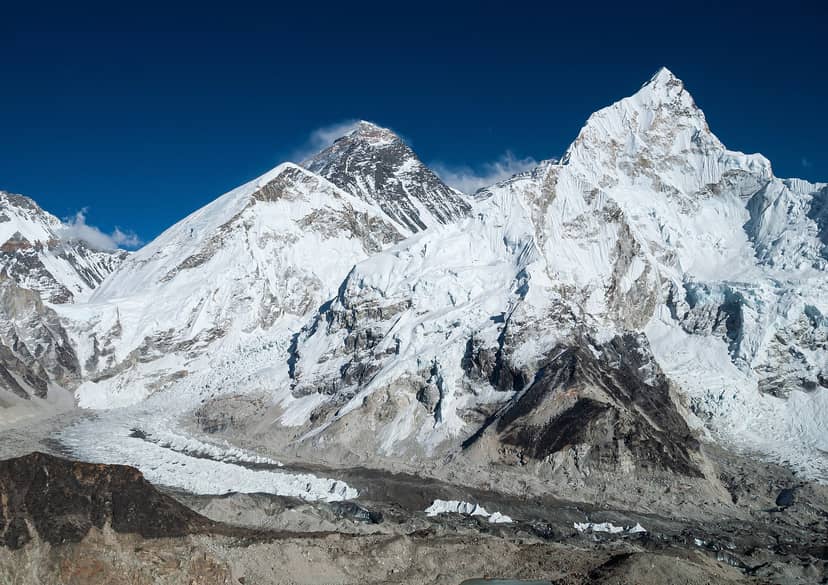
This is the famous route. You fly to Lukla, then walk through Namche Bazaar, Tengboche and Dingboche, on the way past some of the world's great peaks. Our 15-day plan includes rest days, and it ends with a climb to Kala Patthar, at about 5,545 m, for the classic view.
The journey is the reason to go. You meet people, stay in lodges, and watch the scenery change a little every day. The downsides are that it's physically demanding, it's busy in season, and Lukla flights are often delayed. See our guide to Lukla airport.
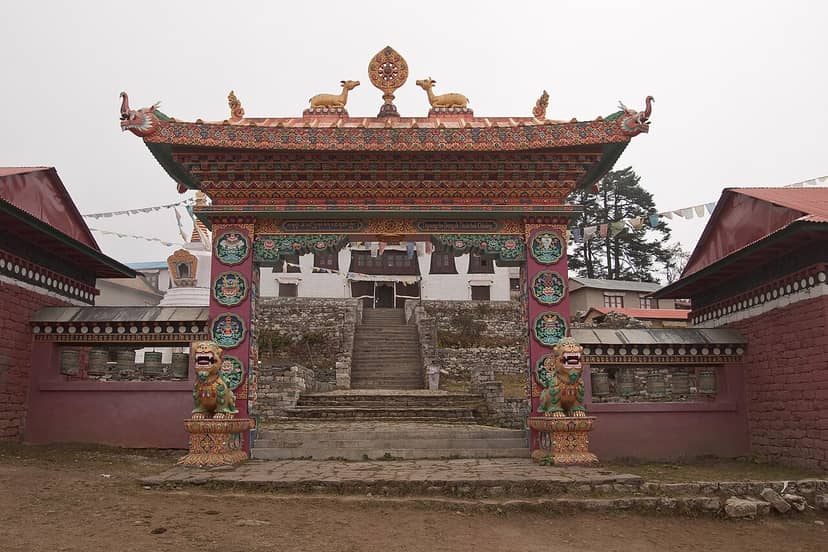
The Tibet side
You usually fly or travel to Lhasa, adapt there, and go overland across high passes to the Rongbuk area, where a road comes close to base camp. One travel guide suggests staying at least three days in Lhasa first if you fly in, and it says the passes on the drive are above 16,400 feet (about 5,000 m). You'll get a clear view of Everest's north face from the road end, if the weather's good.
This sounds easy, but it isn't gentle. Driving means that your body gets less time to adapt than it would on foot. Don't assume that a road makes the altitude safer. The experience is also more controlled, because tour groups need permits and a guide.
Which is harder?
Nepal is harder on your legs, because you walk for many days. Tibet can be harder on your body in a different way, since you gain altitude quickly by vehicle. Neither is a good choice if you ignore the warning signs of altitude sickness. Read our altitude sickness guide and see a doctor before you go.
What about cost?
Cost comparisons are hard because the trips are so different. One operator quotes tours from Kathmandu to the Tibet side from about US$2,600 per person, and standard Nepal treks from about US$1,400. Other companies charge more or less. For the Nepal side, read our cost guide.
A Tibet trip also usually means a Chinese visa and permits, and it may involve expensive onward travel. For both sides, ask what's included and compare the full total, rather than the headline price.
Permits and border changes
This is the biggest practical difference. On the Nepal side, you need local permits, and there are also guide requirements. On the Tibet side, you need to book through an agency and travel on an approved plan. One guide warns that Chinese authorities sometimes close the border with Nepal with little or no warning, so don't plan a tight overland connection between the two countries.
Safety on each side
The biggest risk on both sides is altitude. The CDC advises gaining no more than 500 m of sleeping altitude per day above 3,000 m, and that's far easier to follow on foot than in a vehicle. Think about how you'd get help too. On the Nepal side, a helicopter evacuation may be possible if the weather allows, so ask your insurer about cover. For Tibet, ask your operator how it would handle a medical emergency.
When to go
One travel guide lists March to May and October to December as the main seasons for trekking on the Nepal side, and May to June and September to October on the Tibet side. Nights can be very cold on both sides, and Tibet permit rules can affect access at certain times of year.
Which suits you?
| If you want… | Choose |
|---|---|
| A real multi-day trek | Nepal |
| Sherpa culture and teahouses | Nepal |
| To avoid long days on foot | Tibet, or a Nepal helicopter tour |
| Everest's north face and the Tibetan plateau | Tibet |
| A simple way to change your plans | Nepal |
Common questions
Can you cross between the two base camps?
No. Trekkers can't simply walk between the camps. They're on opposite sides of the mountain, and in different countries.
Which side has the better view?
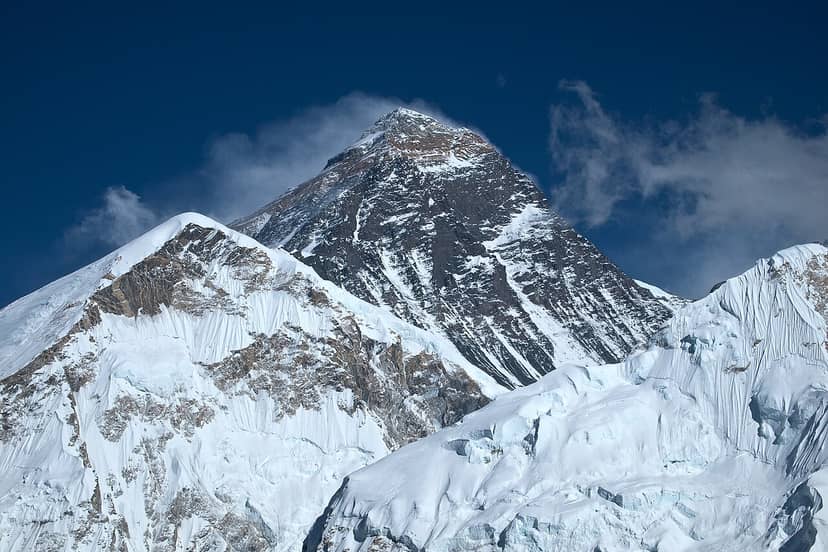
Many people like the open view of the north face from Tibet. On the Nepal side, Kala Patthar has a famous close-up view, but Everest can't really be seen from base camp itself.
Can I see Everest without either trip?
Yes. Our Everest Panorama Trek is shorter and lower, and it gives you good views.
Next steps
We run trips on the Nepal side only. See our Everest Base Camp Trek, read whether it's worth it, or ask us anything.


Comments